RECOVERY. REDEFINED.
MOVEMENT IS MEDICINE.
HEALING STARTS HERE.
BodyTech is built for people who refuse to let pain define them. We make the connection between science, movement, and recovery — and turn it into real results.
About Us
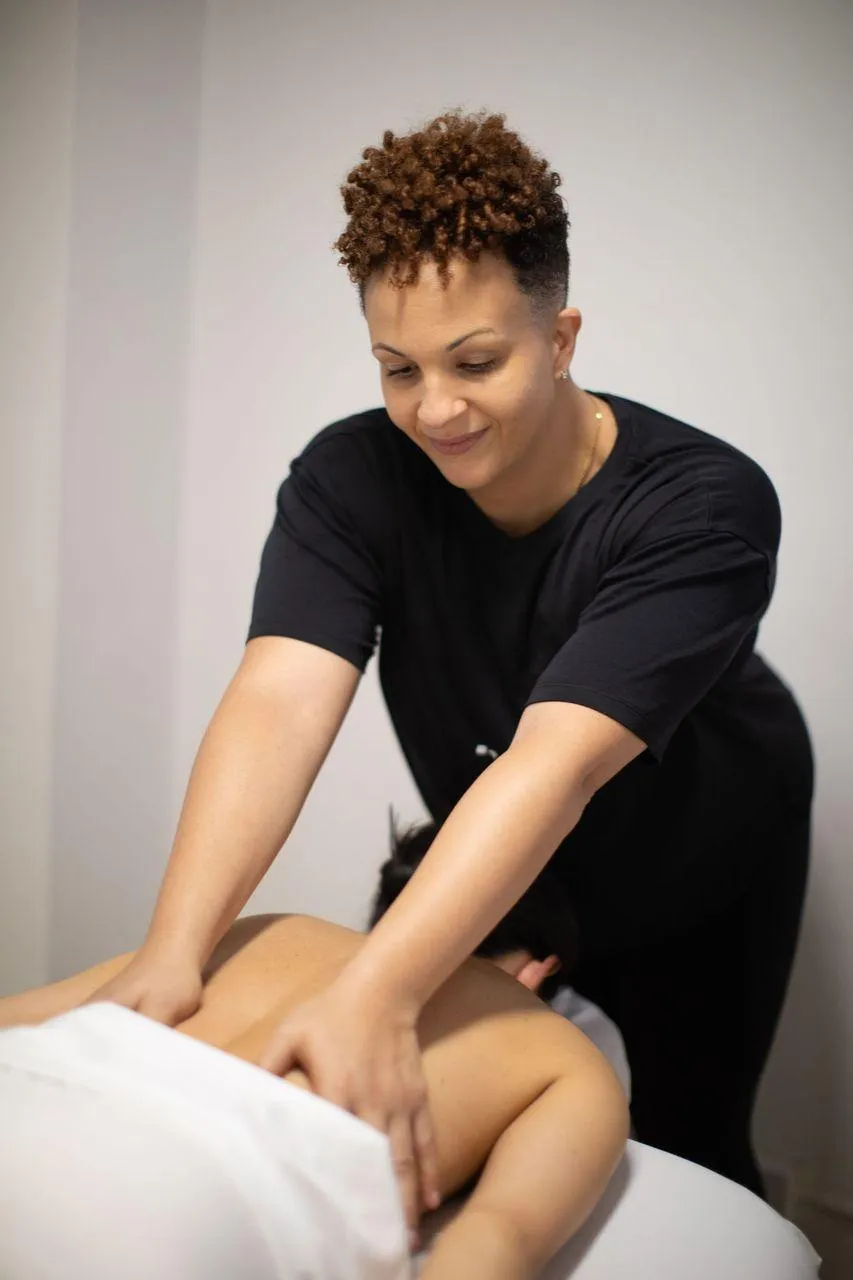
Built for Healing.
Backed by Purpose.
About BodyTech
Built for Healing.
Backed by Purpose.
At BodyTech, recovery isn’t just what we do — it’s who we are.
BodyTech was created to transform the way people experience healing: through movement, intention, and a deep understanding of the human body’s power to rebuild.
Whether you’re navigating post-surgical recovery, chronic pain, or performance plateaus, BodyTech provides the strategies, tools, and support to help you move forward with strength and purpose.
Our Services
Your Recovery, Your Way.

Therapeutic Recovery Sessions
Targeted therapy for pain relief, mobility, and restoration.

Post-Op Recovery & Lymphatic Drainage
Specialized support for faster, healthier healing.

Corrective Movement Coaching
Strengthen, stabilize, and move with confidence post-injury or for peak performance.
Pain Cycle Management Coaching
Break the cycle of chronic pain through movement, mindset, and behavior change.
featuring
THE PAIN PLAYBOOK
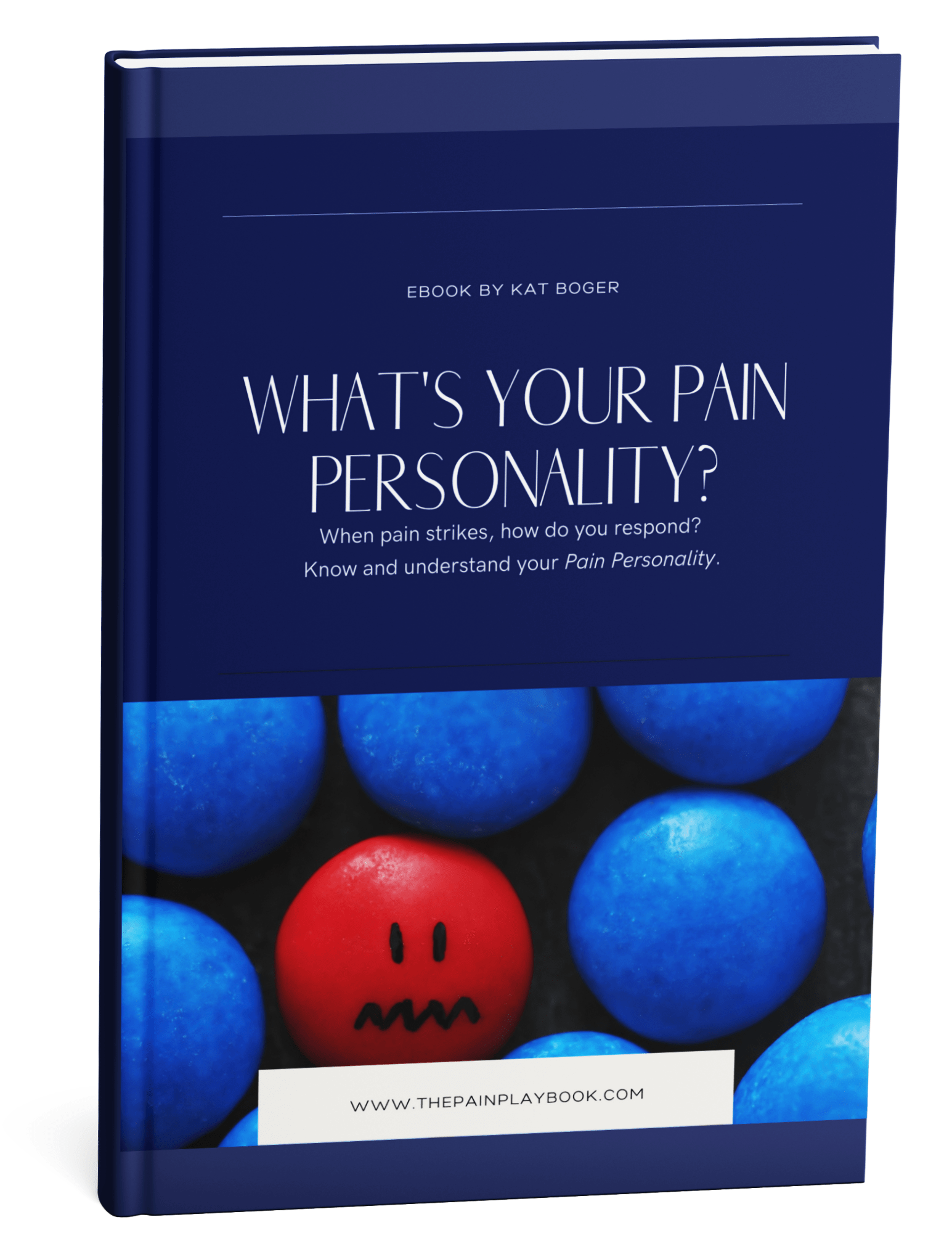
Because Healing Isn’t Just Physical. It’s Personal.
The Pain Playbook is the education hub powered by BodyTech where we turn science and experience into self-management strategies you can use. From stress and pain to hormonal health and recovery hacks, we explore the why behind the work and how to reclaim control over your healing journey.
WHY BODYTECH?
Experience You Can Feel. Expertise You Can Trust.
Recovery built around you, not just your diagnosis.
Movement-based solutions rooted in science and experience.
Coaching that empowers you to self-manage, not just survive.
A team that treats you like a person, not a protocol.
Real Stories. Real Recovery.

Alex C.
trainer with hip pain & discomfort)
Alex C.
trainer with hip pain & discomfort)

Kat is a magician! It took her literally one minute to figure out what was causing my problems and I walked out pain free after one session!
Theresa P.,
client with lymphadema
Theresa P.,
client with lymphadema
Kat is a wonderful caring professional therapist.
Rob F.
Rob F.
Kat is amazing and, hands down the best in the business.
Clea M.
Clea M.
Pedro has been an incredible trainer with an impressive depth of knowledge and experience. At 55, I’m stronger than ever and excited to see what I can accomplish. With Pedro showing me, I can exceed my own expectations.
Stephanie W.
Stephanie W.
In the time that I’ve been training with Pedro, I’ve become stronger and fitter.”
Peter G.,
marathon runner
Peter G.,
marathon runner
I think I have a pretty low tolerance to pain, but Kat does a great job of getting deep into my muscles without causing a lot of pain."
Browse Our Articles

Mobility That Matters
Mobility That Matters: The Kind That Actually Stays
Everyone wants to be “more mobile.”
Touch your toes. Twist without wincing. Get out of bed without negotiating with your lower back like you’re at a UN summit.
But here’s the plot twist most people don’t realize:
Mobility doesn’t disappear because your muscles are tight. It disappears because your nervous system is unconvinced.
You can stretch a muscle all day, foam-roll until you’re emotionally numb, or hang off a pull-up bar praying for shoulder freedom — but if your system doesn’t feel safe?
It’s not letting go.
And honestly, that’s fair. Your nervous system has one job: keep you alive.
Not stretchy. Not Instagram bendy. Alive.
When your mobility keeps disappearing faster than your weekend, it’s not because you’re “tight.” It’s because your brain is collecting data and saying: “Hmm… nope. Not today.”
The Mobility Myth That Refuses to Die
We’ve all been taught the same thing: Tight? Stretch it.
Still tight? Stretch harder.
Still tight? Add a lacrosse ball and some tears.
But here’s what actually happens: Your muscle isn’t short, your nervous system is protecting.
It’s guarding because:
A joint feels unstable
A position feels unfamiliar
A pattern feels risky
A previous injury set off an alarm
Stress & sleep are trash (yes… again, sleep)
And your brain is not going to give you range it doesn’t believe you can control.
Why would it? You wouldn’t hand your car keys to someone who just said “I’ve never driven before, but I’ll figure it out.”
Same vibe.
What Makes Mobility “Stick”?
Mobility that lasts isn’t flexibility. It’s capacity.
Capacity to:
Control a position
Breathe in a position
Support load in a position
Move out of that position without bracing for death
Real mobility is strength + control + safety.
Which is why at BodyTech, our mobility work looks nothing like the dramatic hamstring-stretching montages the internet loves.
We rebuild range from the nervous system outward.
That means:
Breath that tells your system “We’re safe.”
Stability cues before we ask for more reach
Gentle load so your joints trust the movement
Repetition that teaches your brain “this is normal now”
Mobility doesn’t stick because you forced it. It sticks because your body believes you can handle it.
Why Your Mobility Keeps Disappearing (Even When You Stretch)
Let’s talk about the four biggest thieves of sustainable mobility.
1. Stress
Stress makes everything clamp down.
Your neck, your hips, your breath, your jaw — your body treats life like a collision it’s bracing for. When the system is anticipating impact, mobility is the first thing to go.
2. Poor Sleep
If your nervous system never drops into repair mode, your muscles aren’t the only thing tired — your motor control is exhausted too. Tightness isn’t always tightness. Sometimes it’s coordination fatigue.
3. Low Hydration
This one sneaks up on people.
Muscles, fascia, and joint capsules rely on fluid to glide, cushion, and transmit force. When you’re even slightly dehydrated, your tissues behave like dry rubber bands: less elasticity → more friction → “Why do I feel 87 today?”
Hydration isn’t a wellness trend. It’s literally lubrication for movement.
4. Disconnected Strength
Strong muscles + unstable joints = mobility that looks good when you’re warm… and disappears the second you actually need it. True mobility comes from strength that supports range, not strength that fights it.
Mobility that matters is built on readiness, not range.
And readiness comes from a system that’s: Hydrated. Rested. Regulated.
And actually supported by strength.
Mobility That Actually Stays: The BodyTech Way
In session, our approach looks like this:
Step 1: Reset
Lymphatic drainage, manual therapy, or neuromuscular release quiets the alarm system.
Step 2: Restore
We introduce controlled breath & stability, so the nervous system feels safe in the new range.
Step 3: Rebuild
Light load + patterned movement teaches the body: “Here’s how to keep this.”
This is why clients say things like: “Wait… I didn’t even know I had that range.” And “Why does this feel easier than stretching?”
Because mobility isn’t about forcing. It’s about convincing.
When your nervous system feels supported, range returns.
When your strength matches your range, it stays.
And when your recovery is consistent, it becomes your new normal.
This is mobility that matters. Not because it’s more flexible…but because it’s more functional.
If you want more of this …
We’re spending December breaking down the BodyTech Longevity Framework — capacity, strength, mobility, and nervous system resilience — the real pillars of aging well.
Get the newsletter
Twice a month we drop deeper insights, behind-the-scenes client lessons, and tools you can use.

Ready to Move Forward?
Whether you’re recovering from surgery, managing pain, or ready to redefine how you move through life, we’re here for it. Recovery starts with the first step. Let’s take it together.
BodyTech NYC © 2025